
What to Expect During a Full-Service Home Remodel in San Diego. The Design-Directed General Contracting Process
If you have never been through a full-service remodel before, the biggest misconception is that construction is the starting point.
It is not.
In a design-directed general contracting model, construction is actually the middle of the story. The process begins long before a wall is opened and continues well after the last trade leaves.
Here is the simplified, real-world breakdown of how it actually unfolds.
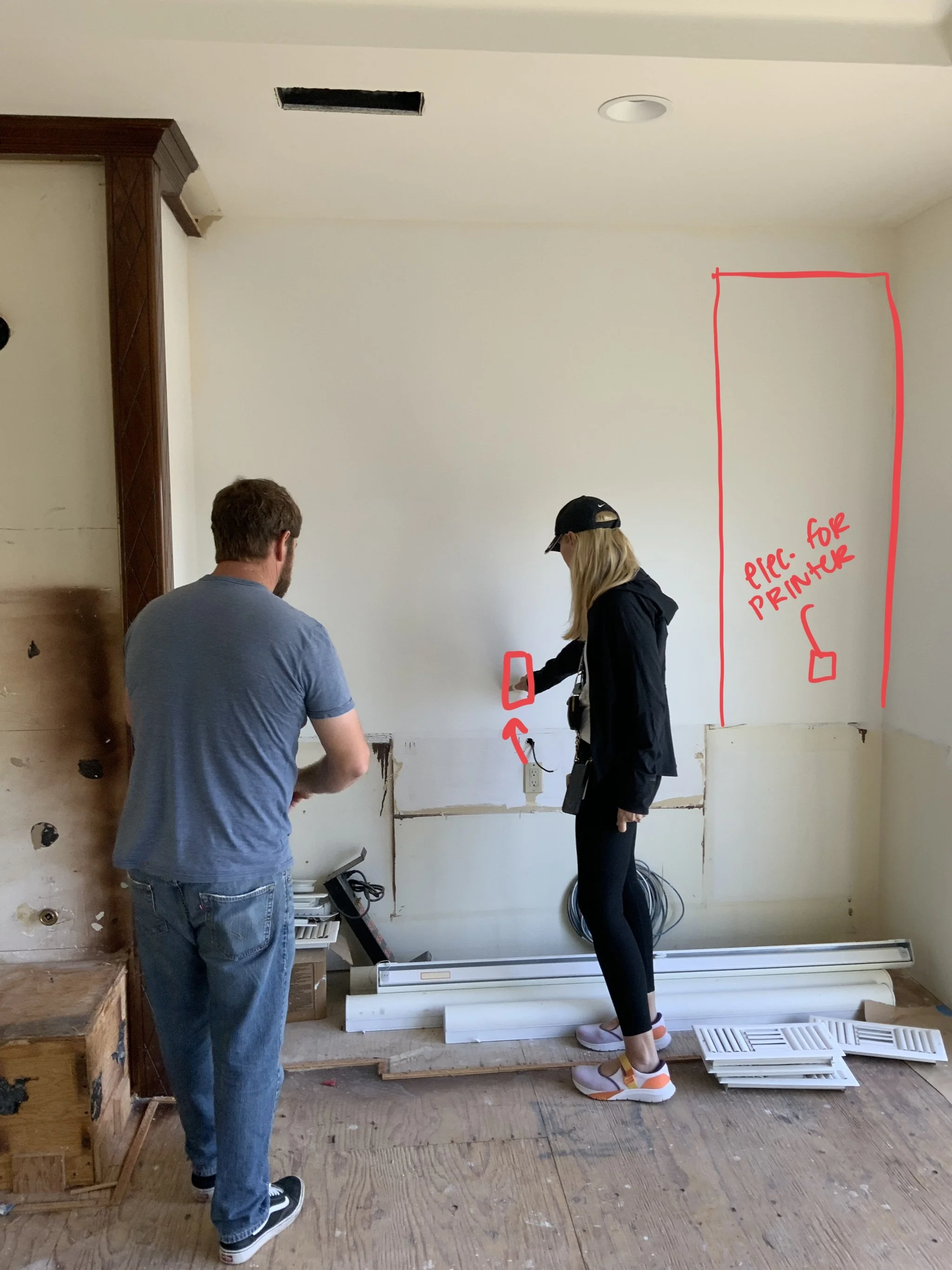
Stage 1: Consultation to Define Scope of Work
Everything starts with clarity.
The consultation phase is where we define what you are truly taking on. Not just what you want to change, but how far the project should reach to feel cohesive and intentional when complete.
We walk through:
How you live in the home
What is not working today
Architectural direction
Functional priorities
Timeline goals
This is also where we discuss investment comfort ranges. Not exact pricing yet, but realistic good faith numbers so we know the level of design and construction we are planning toward.
Without this conversation, design can drift beyond financial boundaries or fall short of the home’s potential.
Scope definition protects both.
Stage 2: Design First
This is the foundation of everything.
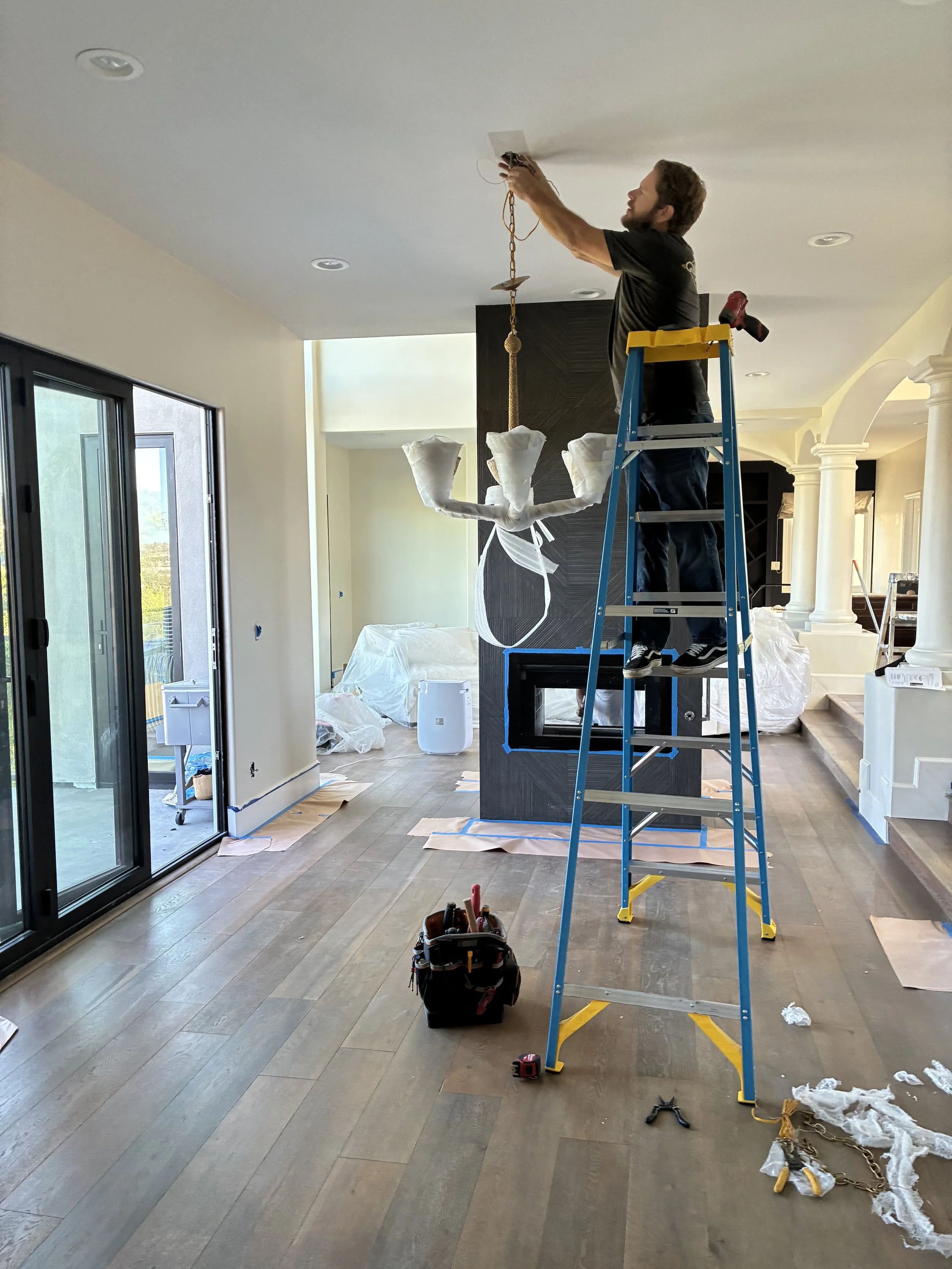
In a design-directed firm, we do not build first and figure it out later. We design first, in detail, with intention.
This phase includes:
Design discovery
Space planning
Layout development
Architectural detailing
Cabinetry design
Material curation
Plumbing and appliance planning
Lighting design
It is equal parts creative and technical.
We are drafting, curating, refining, and pressure testing every decision before construction pricing ever begins. Because we are also the general contractor, selections are made with installation methods, sequencing, and feasibility already in mind.
This prevents redesign during construction, which is where projects lose time and money.
Design first always saves both.
Stage 3: Parameters and Good Faith Investment Alignment
As design develops, we begin aligning it with real numbers.
This is not a formal construction contract yet. It is where we establish financial parameters based on the evolving scope.
We review:
Level of finish selections
Cabinetry scale
Appliance tiers
Surface materials
Custom elements
We provide good faith investment ranges tied to what is being designed so you can make informed decisions in real time.
This keeps the project grounded while still allowing creative exploration.
Stage 4: Proposal and Procurement
Once design is approved and investment parameters are aligned, we formalize the build.
This stage includes:
Construction proposal creation
Scope documentation
Allowance allocations where needed
Contract execution
From there, procurement begins.
We order:
Cabinetry and millwork
Plumbing fixtures
Appliances
Tile and slabs
Flooring
Specialty materials
Ordering early is critical. Long lead items are secured so they are ready when construction reaches installation phases.
This is where planning starts turning into physical reality.
Stage 5: Implementation
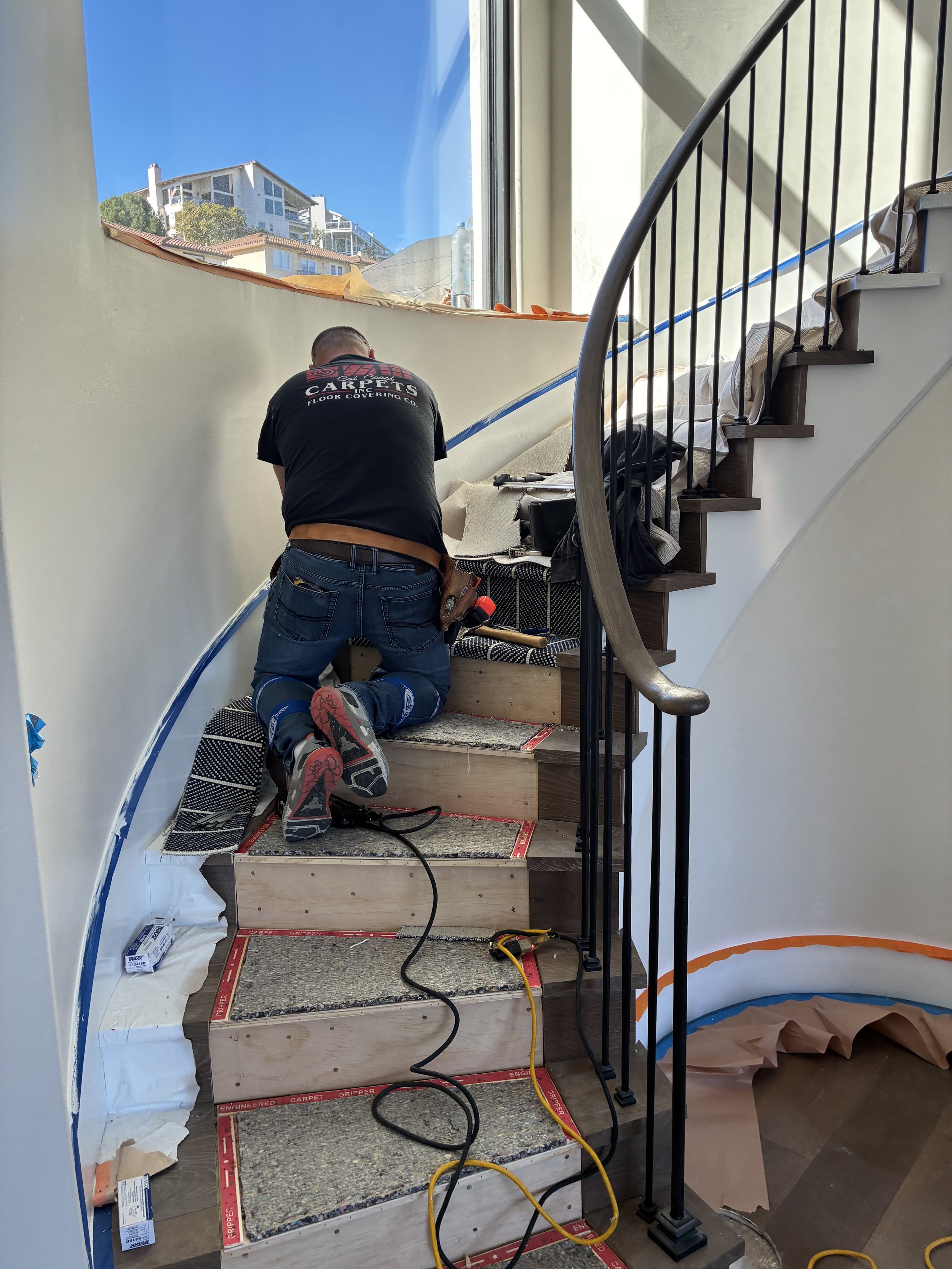
Now construction begins.
Because the project has been fully designed and procured, implementation runs with far greater precision than traditional remodels.
Trades are executing against:
Finalized layouts
Detailed elevations
Finish schedules
Installation specifications
Instead of jobsite guesswork, there is a documented roadmap guiding every step.
Implementation typically includes:
Demolition
Framing adjustments
Rough plumbing and electrical
Drywall and prep
Cabinet installation
Tile and surfaces
Flooring
Finish plumbing and electrical
Paint and wall finishes
The difference in a design-directed project is that the design team remains actively involved throughout construction, protecting the vision as it comes to life.
Stage 6: Job Completion
As construction wraps, we begin the completion phase.
This is where the space transitions from an active jobsite into a finished environment.
We review:
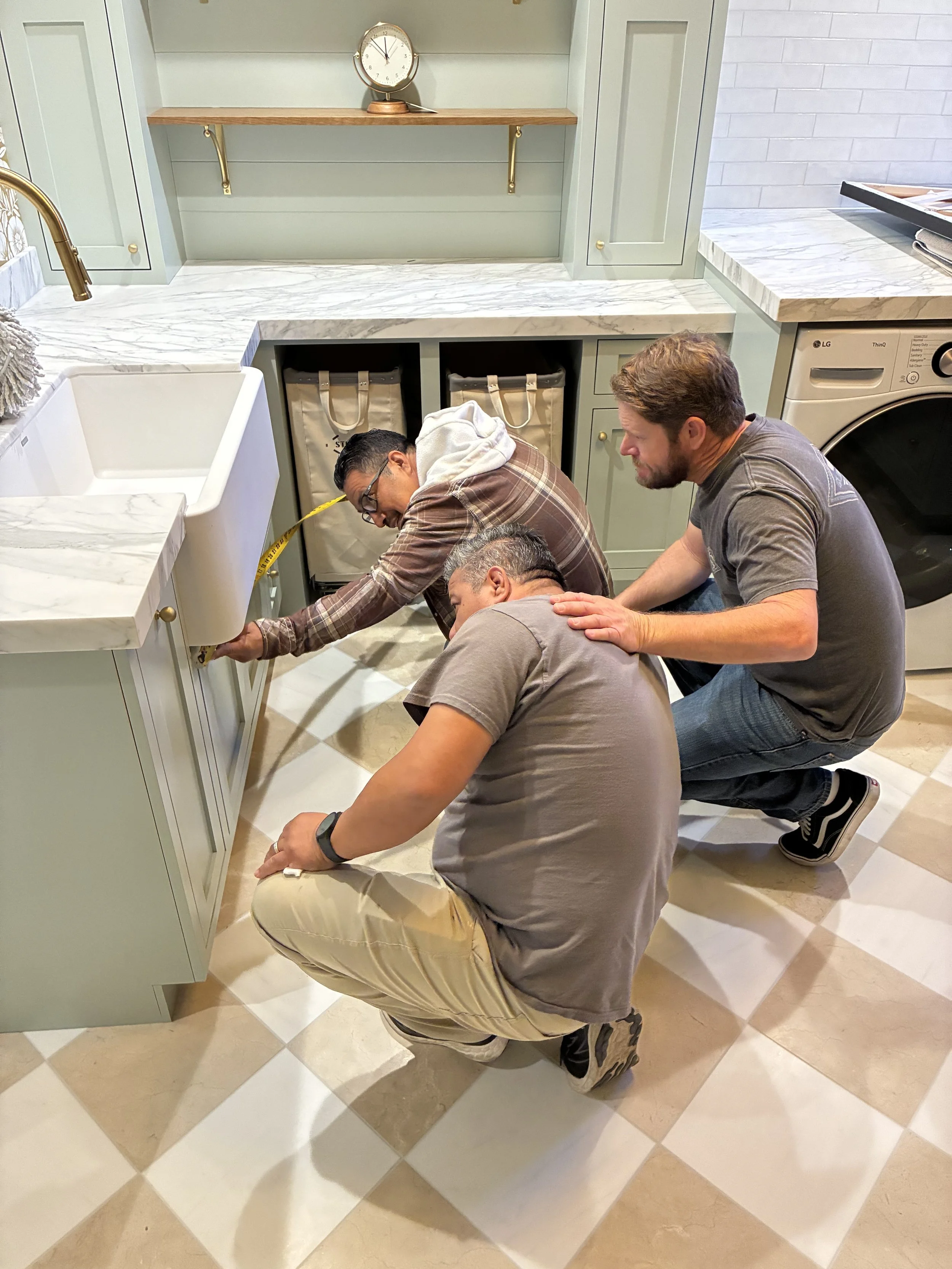
Installation accuracy
Finish integrity
Functionality of systems
Overall design cohesion
Furniture, window treatments, and final styling layers may also be installed during this window if part of the project scope.
Completion is not just about trades finishing their work. It is about the home feeling whole.
Stage 7: Punch List Items
The final stage is refinement.
Punch list work addresses the small details that naturally surface once everything is installed and operational.
This may include:
Paint touch ups
Cabinet door adjustments
Hardware alignment
Minor grout or caulk corrections
Fixture calibration
It is a quality control phase designed to ensure every element meets both construction standards and design expectations before formal project closeout.
Final Perspective
A full-service remodel guided by design-directed general contracting is structured, intentional, and highly collaborative from start to finish.
You are not hiring a designer and then handing plans to a builder.
You are hiring one accountable team to:
Design it
Price it
Procure it
Build it
Complete it
All under one roof.
That alignment is what protects the outcome, the timeline, and the experience along the way.
Based in Solana Beach | Design-Driven General Contractor | Specializing in Whole Home Remodels