
AI Is Changing Interior Design. But It’s Not Changing Why People Hire Designers.
The interior design industry is changing faster than many of us imagined. A homeowner can now upload a photo of a room and instantly see dozens of design concepts, paint colors suggested in seconds, furniture layouts appearing with a simple prompt. Entire kitchens can be visualized before a single cabinet is drawn. For homeowners, this is exciting. For designers, it's disruptive. And for the industry as a whole, it's forcing us to ask an important question: if AI can design a room, what exactly is the role of an interior designer?
The answer may not be what many people think. AI is changing how design ideas are explored, visualized, and communicated — but it is not changing the deeper reasons people hire designers: human connection, original creativity, technical experience, project management, and the peace of mind that comes from knowing someone has the details handled.
AI Is Excellent at Interior Design Inspiration
Let's start with the obvious: AI is an incredible tool. It allows homeowners to explore ideas, discover styles, compare options, and visualize possibilities faster than ever before, and what once required weeks of collecting magazine clippings and Pinterest boards can now happen in minutes. In many ways, AI is making good design more accessible, helping homeowners feel more informed, more confident, and more engaged in the process. That's a good thing. But there is a meaningful difference between generating ideas and creating a home.
What Homeowners Often Don't Know to Ask AI
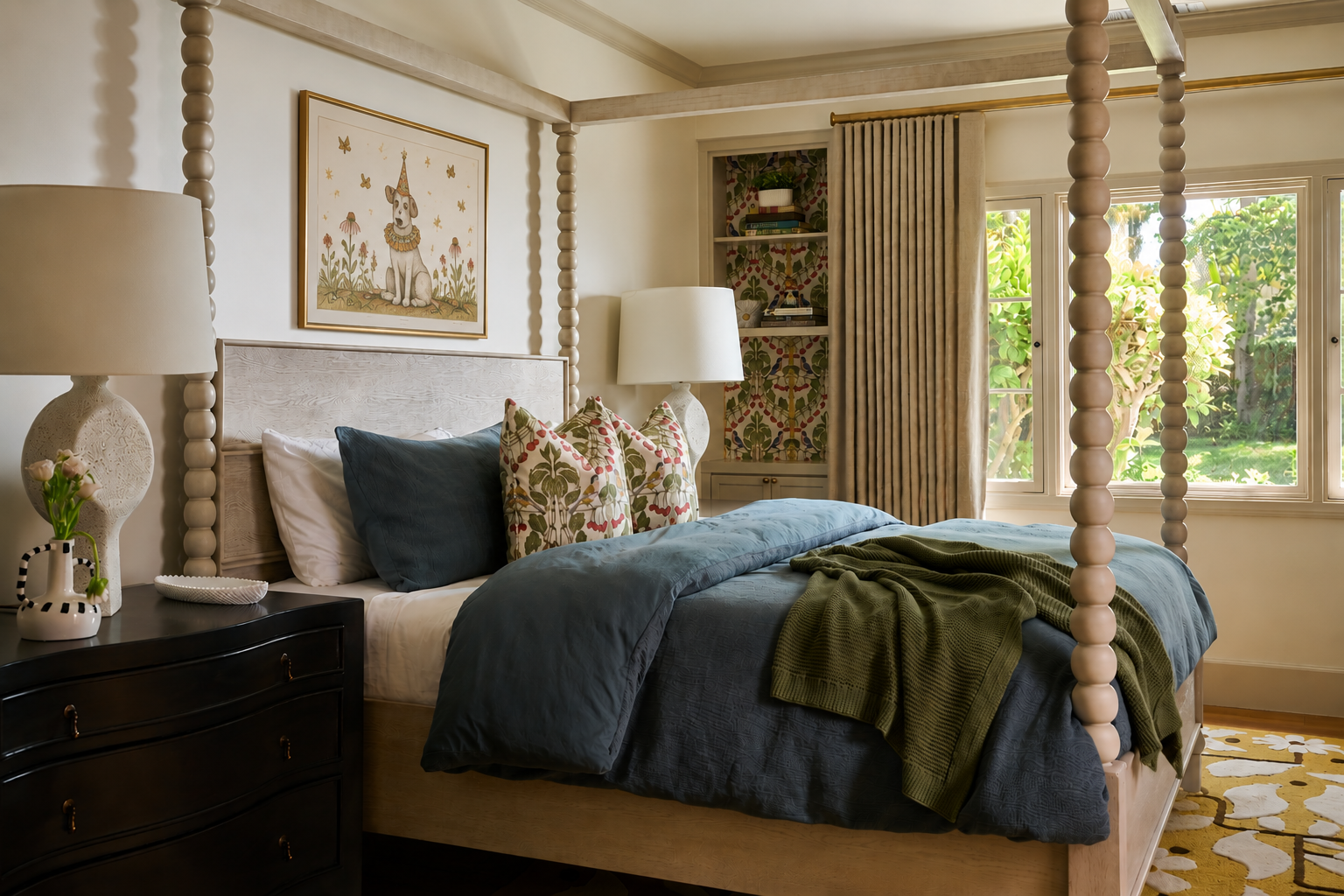
Most AI-generated interior design concepts are only as good as the information entered into the prompt, and the challenge is that homeowners don't always know what information actually matters. AI does not automatically understand the quality of natural light throughout the day, how a family moves through a home, which views should be celebrated and which should be softened or hidden. It doesn't inherently account for site constraints, structural limitations, permitting challenges, construction sequencing, or the countless decisions that determine whether an idea works in real life. Those things can certainly be described and incorporated into a prompt — the problem is that most homeowners don't know they should be. Technology will continue to improve, and AI tools will become more sophisticated, but that brings us to the more important question.
What AI Cannot Replicate in Interior Design
The real value of design has never been about selecting a paint color or choosing a sofa, and it certainly isn't about generating beautiful images. The real value lives somewhere else entirely.
Human Connection
Every project begins with a conversation — not a prompt. Sometimes a client is starting over after losing a spouse, preparing for grandchildren to visit, or downsizing from a family home they've lived in for thirty years. Sometimes they have a piece of furniture passed down through generations and want it to feel intentional rather than out of place. A home is rarely just a collection of finishes and furnishings; it's a collection of memories, transitions, aspirations, and stories. Designers don't simply gather measurements — we gather context. We listen, we ask questions, and we recognize what matters emotionally, not just functionally. The best projects are never really about the room. They're about the people living in it, and no matter how advanced technology becomes, empathy remains a fundamentally human skill.
Original Creativity
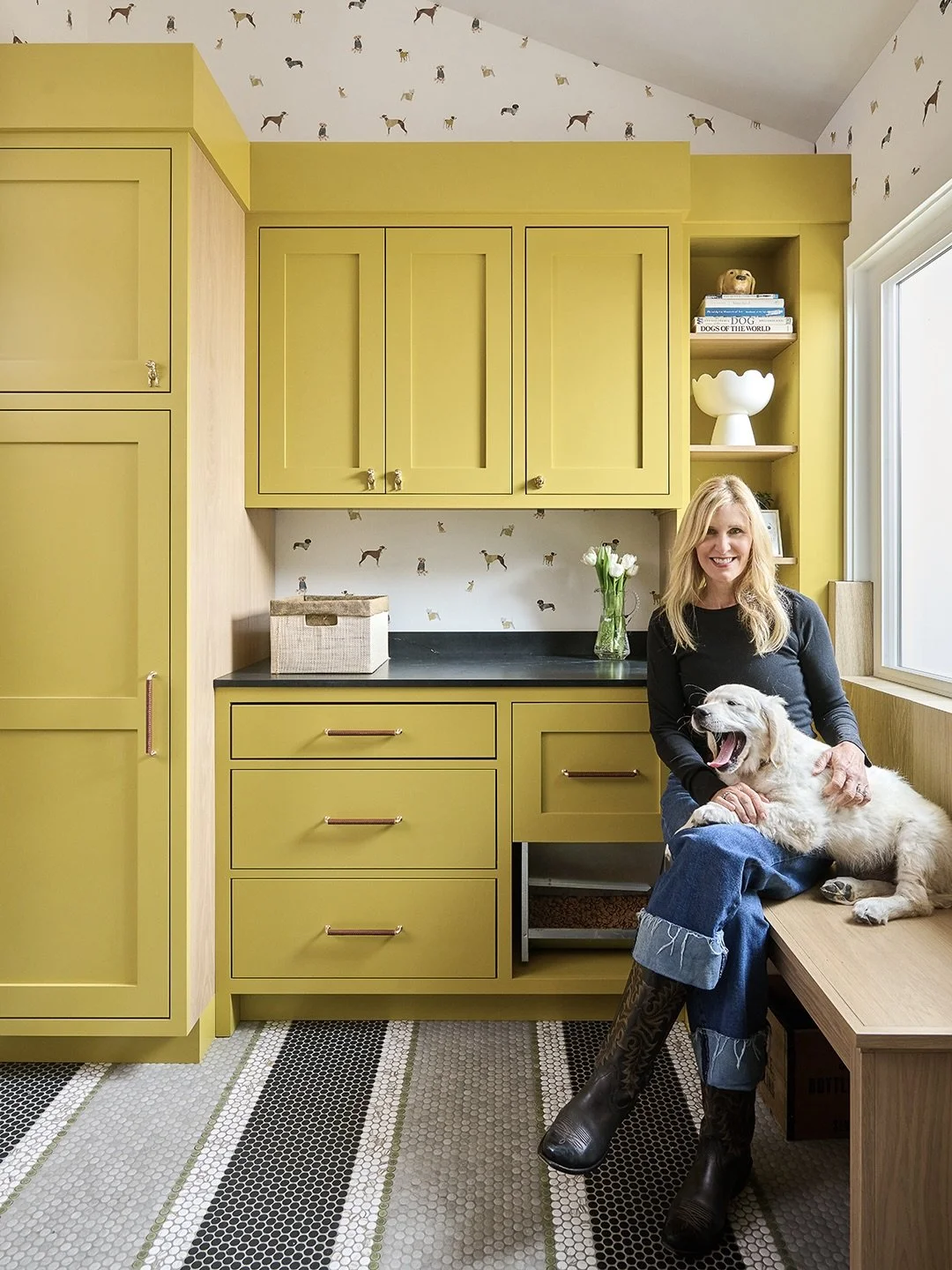
AI is remarkably good at recognizing patterns — that's exactly how it works. It studies what already exists and creates something new from those references, and the results are often beautiful. But they are still rooted in what has already been done. True innovation is different. It happens when someone challenges assumptions, when a client shares an idea that seems impossible, when a designer sees a solution nobody else has considered, when a project evolves through conversation, experimentation, and genuine curiosity. The most memorable spaces are rarely the result of repeating what already exists — they come from creating something that didn't exist before. Great design doesn't just rearrange known ideas; it expands them, and that's where human creativity continues to matter in ways AI simply can't replicate.
Technical Experience and Real-World Judgment
A beautiful image is not the same thing as a buildable, livable, functional home. A furniture layout has to account for circulation, scale, clearances, lighting, sightlines, and how people actually move through a space. A kitchen concept has to consider appliance locations, cabinetry function, electrical needs, plumbing, ventilation, and storage — all against the reality of construction. A bathroom design has to work with waterproofing, drain placement, tile size, fixture locations, and daily usability. These are not small details; they are the decisions that determine whether a home feels effortless or frustrating to live in. AI can be a helpful starting point, but it doesn't replace the real-world judgment required to turn a design idea into a finished home.
The Luxury of Being Taken Care Of
Perhaps the biggest misconception about AI is the belief that because people can do something themselves, they want to. Most homeowners could spend weeks researching products, comparing finishes, coordinating vendors, tracking deliveries, managing construction schedules, and solving problems as they arise. The question isn't whether they can — it's whether they want to. Many clients are busy professionals with careers, families, travel schedules, and responsibilities that demand their attention elsewhere. They're not hiring us because they lack access to information; they're hiring us because they value expertise, accountability, and peace of mind. They want the confidence of knowing someone is managing the details, anticipating problems, protecting the investment. It's similar to dining at a great restaurant — you can absolutely cook a beautiful meal at home, and many people do, but sometimes the value isn't only the meal itself. The value is sitting down, relaxing, and knowing someone else has taken responsibility for the experience. Luxury is often less about the product and more about the relief.
The Future of Interior Design Is Not AI Versus Designers
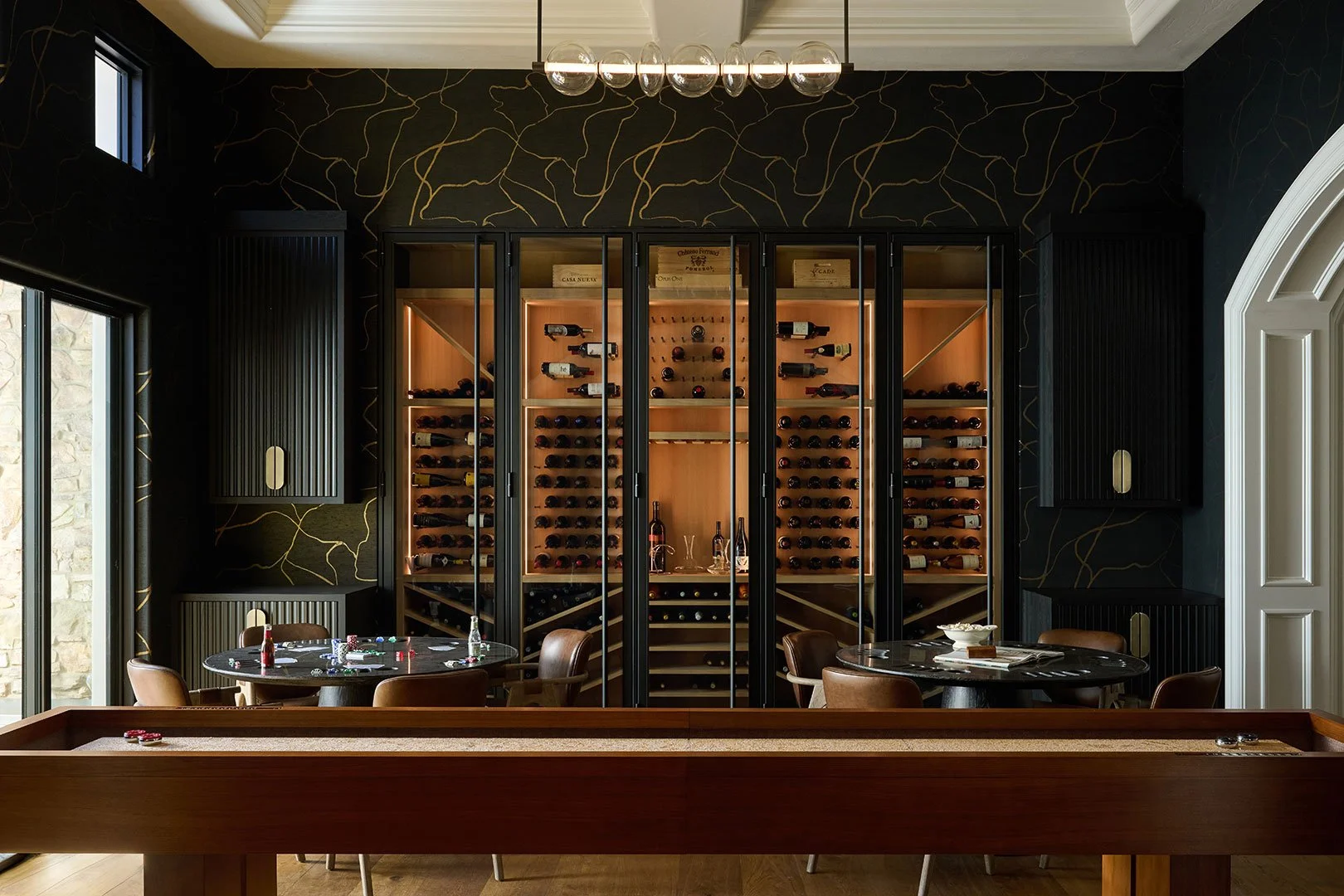
At Savvy Interiors, we don't see AI as a threat — we see it as a tool, and a powerful one. It will continue to change how homes are designed, visualized, and planned, and homeowners, designers, and builders will all use it. But technology doesn't eliminate the need for human expertise; it simply changes where that expertise creates value. The future of design isn't about choosing between AI and an interior designer — it's about understanding what each does best. AI can help generate possibilities. People create meaning. And when you're investing in a home that should support your life for years to come, meaning still matters.
Looking for a More Thoughtful Design Experience?
If you're planning a remodel, furnishing project, or full-service interior design project, AI may help you explore what's possible. But when it comes to creating a home that reflects your life, functions beautifully, and feels deeply personal, the process still benefits from human connection, experience, and care. Learn more about Savvy Interiors' services or schedule a consultation to start a conversation about your home.