
How to Remodel a Second Home for Family Gatherings and Effortless Living
A second home has to do more than look beautiful.
It needs to welcome guests, support longer stays, function through busy holidays, and feel easy to live in — even when the homeowners are not there full-time.
For many families, a vacation home or second residence becomes the place where children, grandchildren, and guests gather throughout the year. That means the remodel process needs to account for more than finishes. It needs to consider comfort, flexibility, durability, storage, entertaining, and the way people naturally move through the home.
The best second homes feel effortless because they are planned with intention from the beginning.
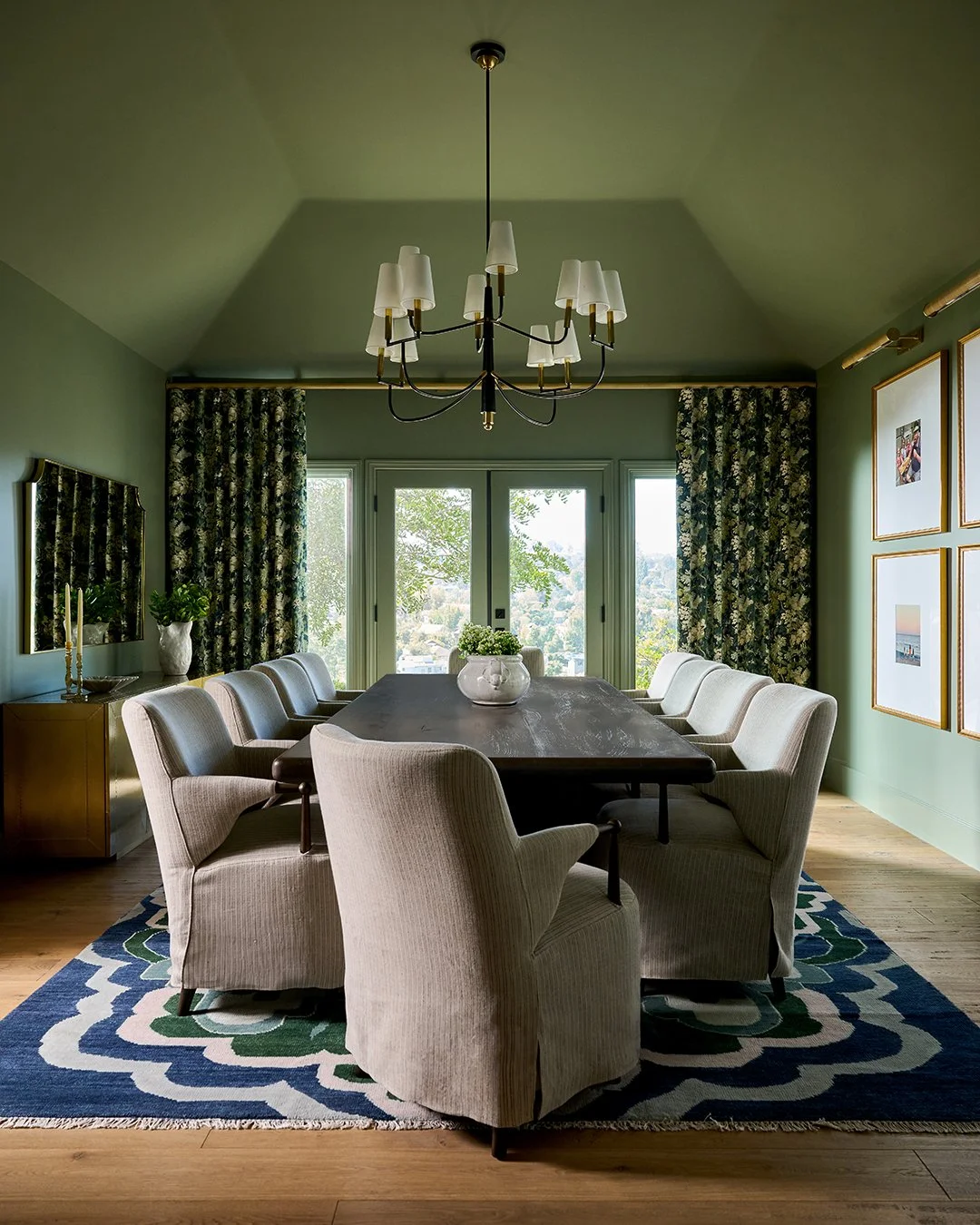
Start with How People Will Gather
For many second homes, the kitchen and main living areas carry much of the weight.
These are the spaces where people cook together, linger over coffee, gather before dinner, play games, and reconnect. When planning a remodel, these areas need to be designed around natural movement and conversation.
An oversized island, generous seating, a thoughtful kitchen layout, and nearby gathering zones can make the home feel more welcoming and intuitive. The goal is not just to create a beautiful kitchen. It is to create a kitchen that works as the heart of the home.
The same thinking applies to lounges, breakfast nooks, banquettes, dining areas, and smaller seating moments. Not every gathering space needs to be large. Sometimes the most meaningful areas are the intimate ones — the places that invite conversation, reading, games, or a quiet moment away from the main activity.
A Second Home Needs a Different Design Strategy
Remodeling a second home is different from remodeling a primary residence.
A primary home is designed around daily routines. A second home often needs to support a wider range of experiences: weekend visits, extended stays, family holidays, overnight guests, entertaining, and quiet downtime.
That shift changes the design priorities.
Instead of asking only, “What looks beautiful?” the better question is:
How does this home need to function when everyone is here?
That includes:
Where people gather
How guests sleep comfortably
How storage is handled
How bathrooms support multiple users
How easily the kitchen functions during entertaining
Which spaces feel social, and which offer retreat
How the home feels when it is full, not just when it is quiet
A successful second home remodel balances beauty with ease. It should feel elevated, but not delicate. Personal, but not overdesigned. Functional, but never generic.
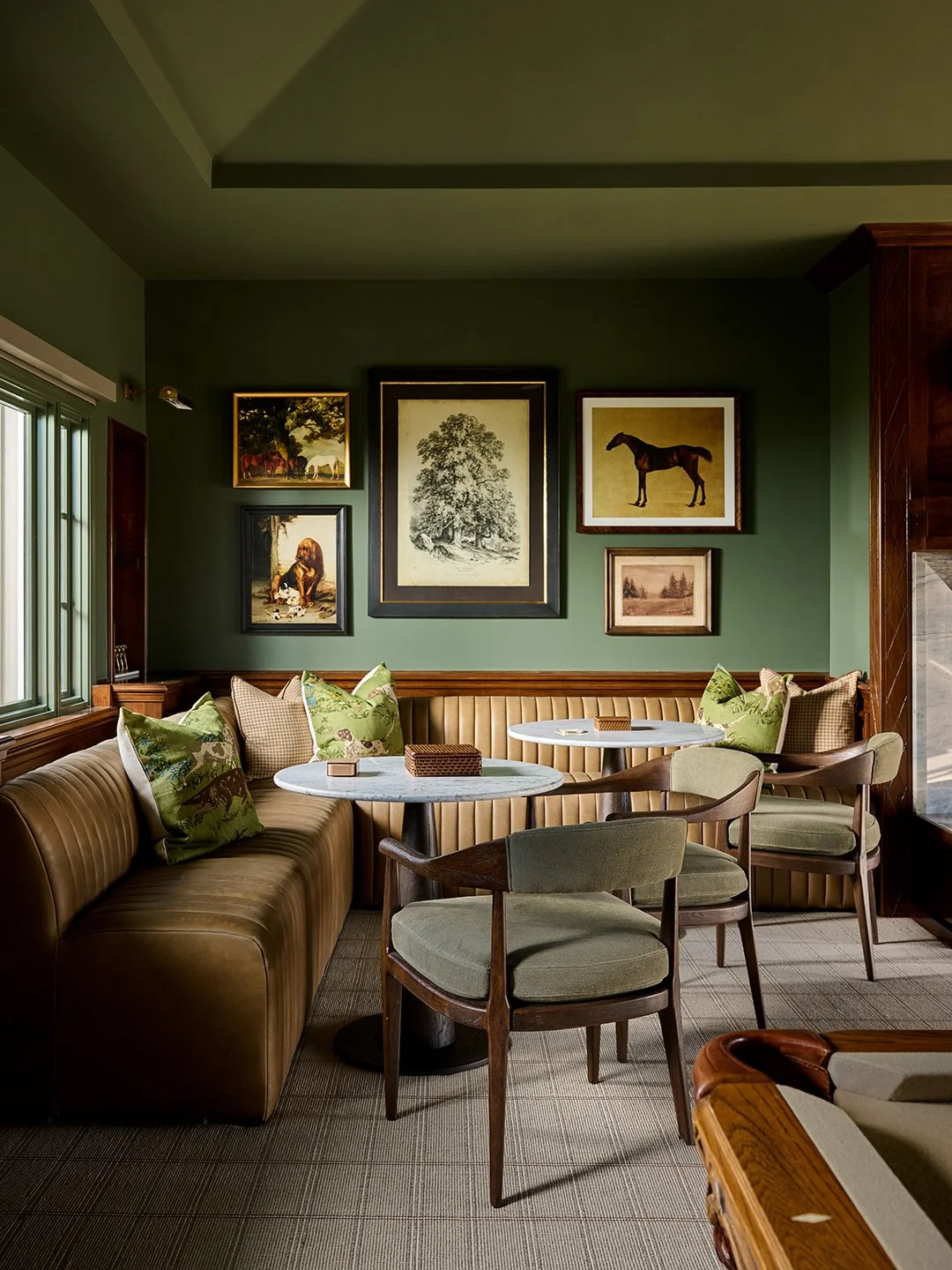
Design Guest Spaces for Comfort and Flexibility
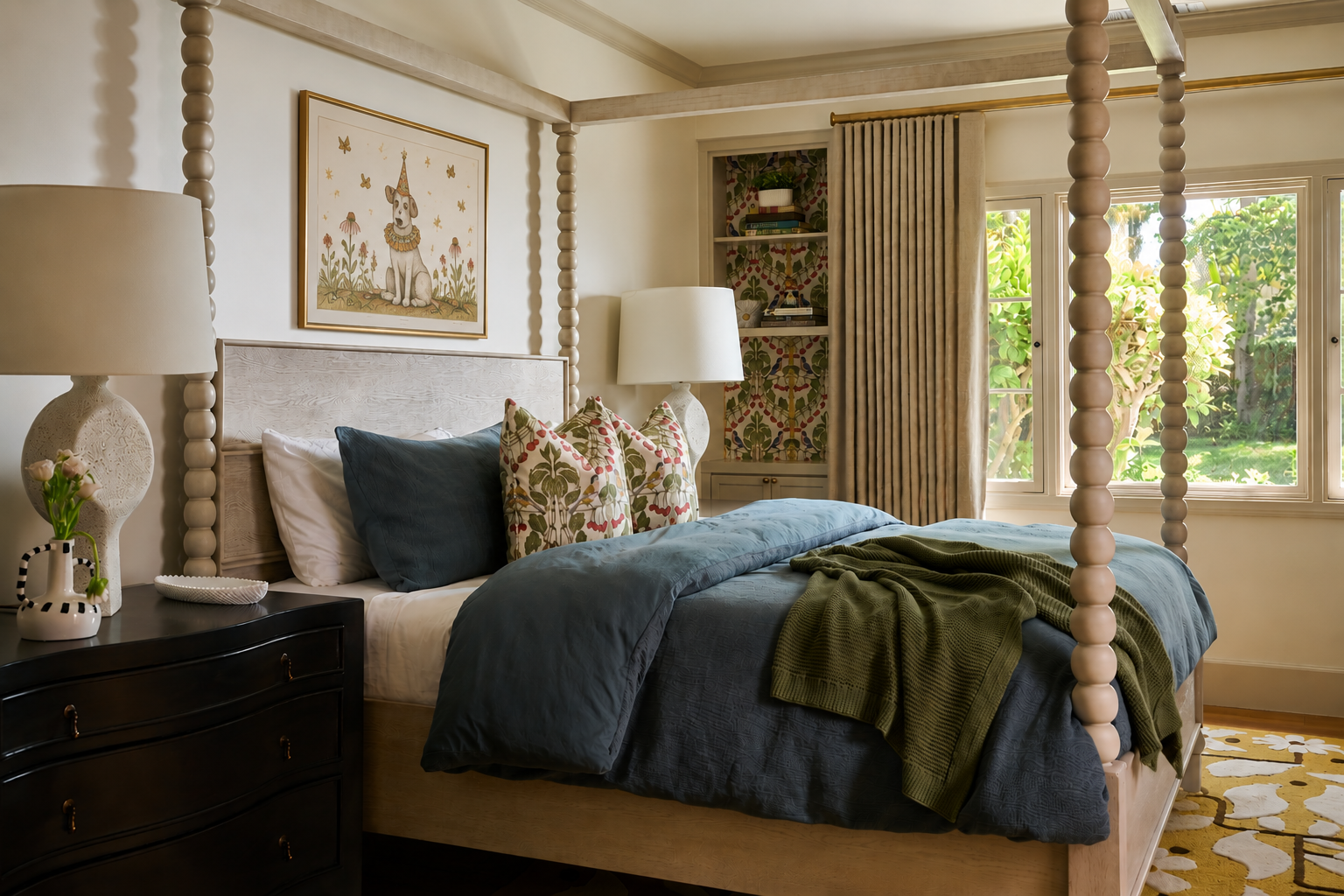
Guest rooms in a second home should never feel like an afterthought.
When family and friends visit, the bedroom spaces need to feel comfortable, functional, and considered. That means thinking through sleeping capacity, privacy, storage, lighting, and how different generations will use the home.
Bunk rooms can be especially useful for families with children or grandchildren, allowing a home to accommodate more overnight guests without sacrificing design quality. But even practical spaces should still feel connected to the rest of the home.
The best guest spaces feel welcoming without feeling overly formal. They give visitors a place to settle in, unpack, and feel at home.
Make Bathrooms Feel Special, Not Secondary
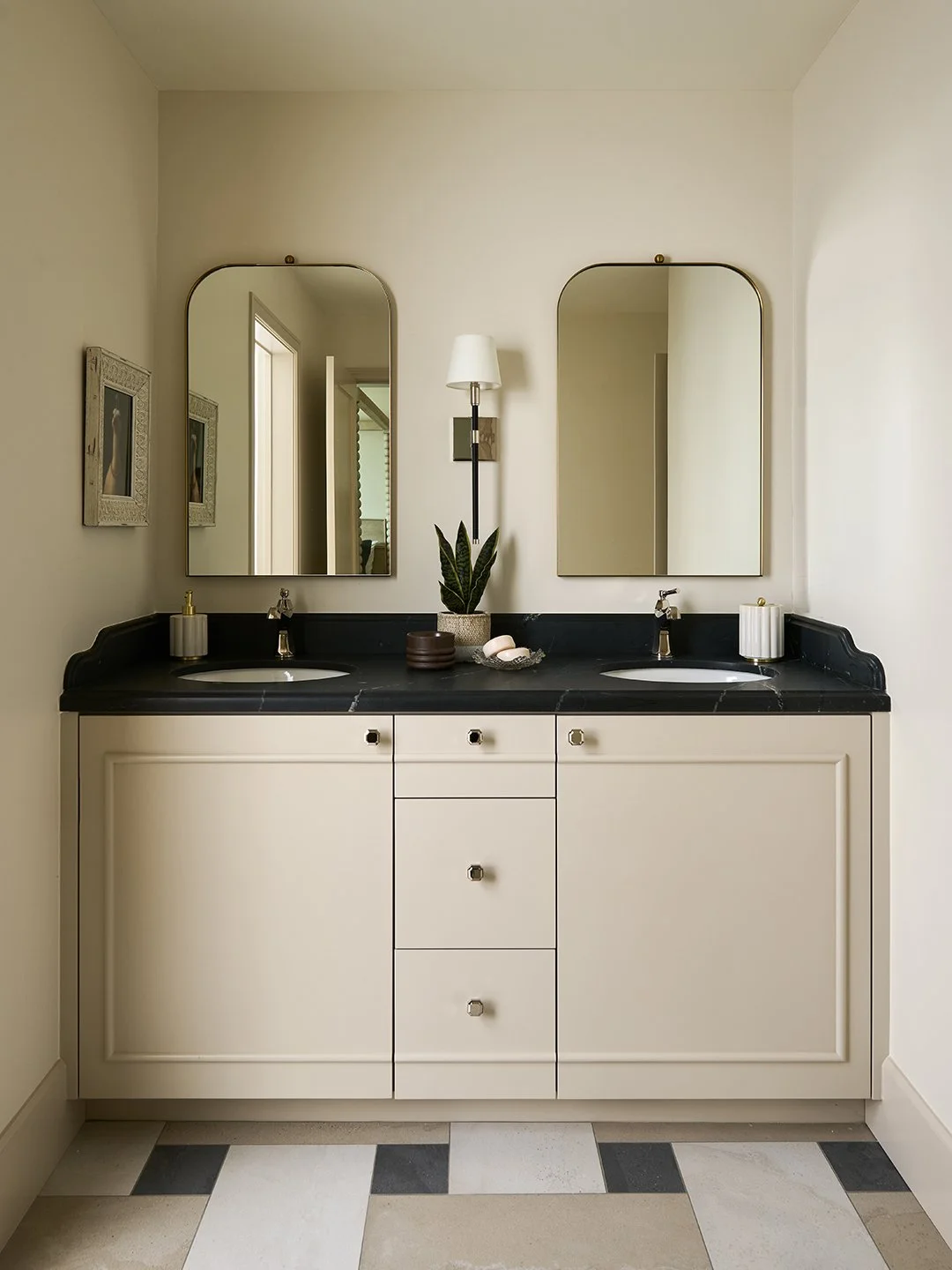
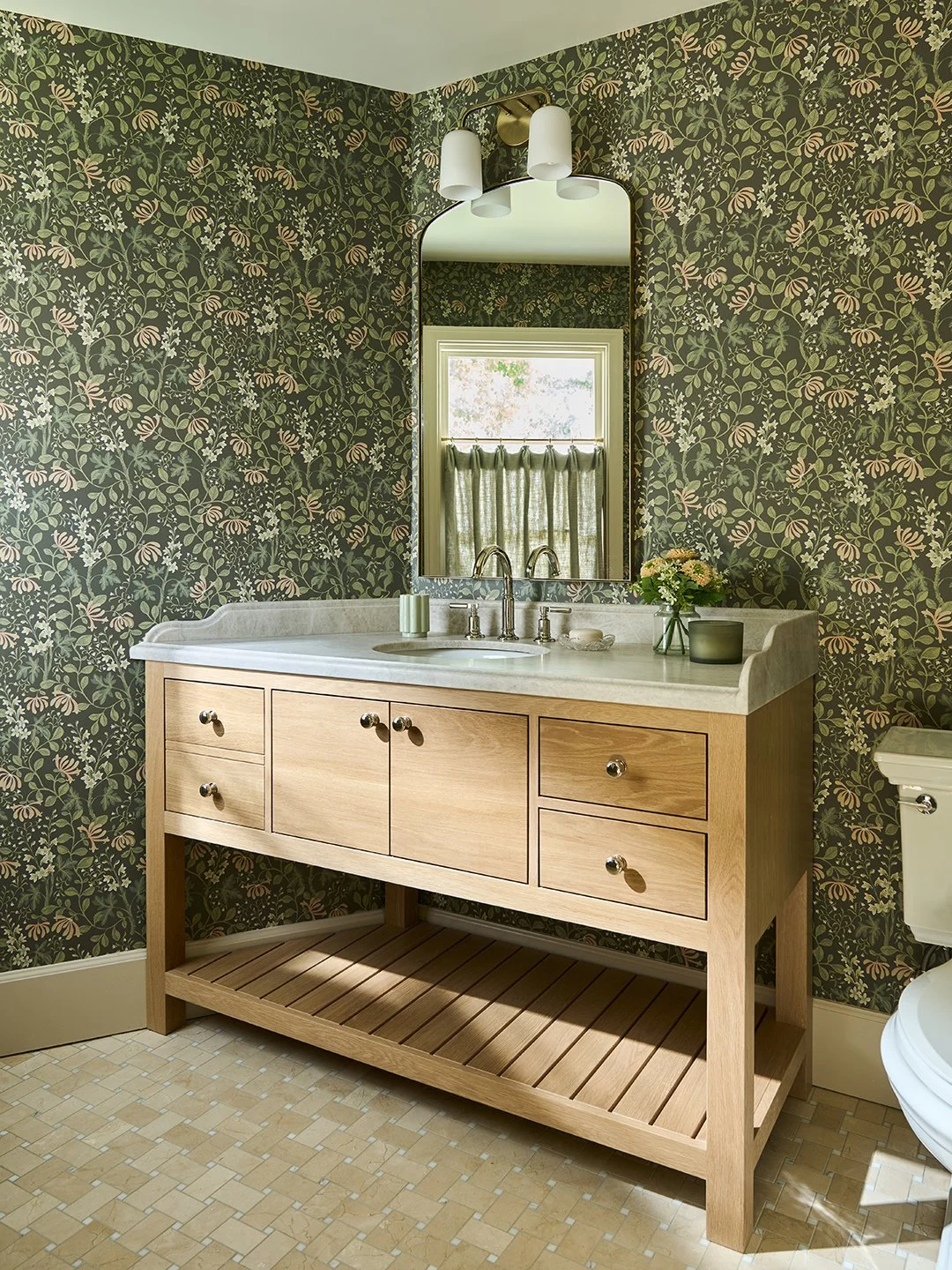
Bathrooms are often some of the most-used spaces in a second home, especially when guests are visiting.
Because of that, they deserve the same level of thought as the main living areas.
A well-designed guest bathroom or secondary bath can add personality, comfort, and a sense of care to the home. Custom vanities, natural stone, wallcoverings, thoughtful lighting, and elevated plumbing fixtures can make even smaller bathrooms feel memorable and refined.
The key is to design each bathroom with intention. It should feel unique, but not disconnected from the rest of the home. When the materials, proportions, and details are resolved thoughtfully, bathrooms become part of the overall experience rather than purely functional rooms.
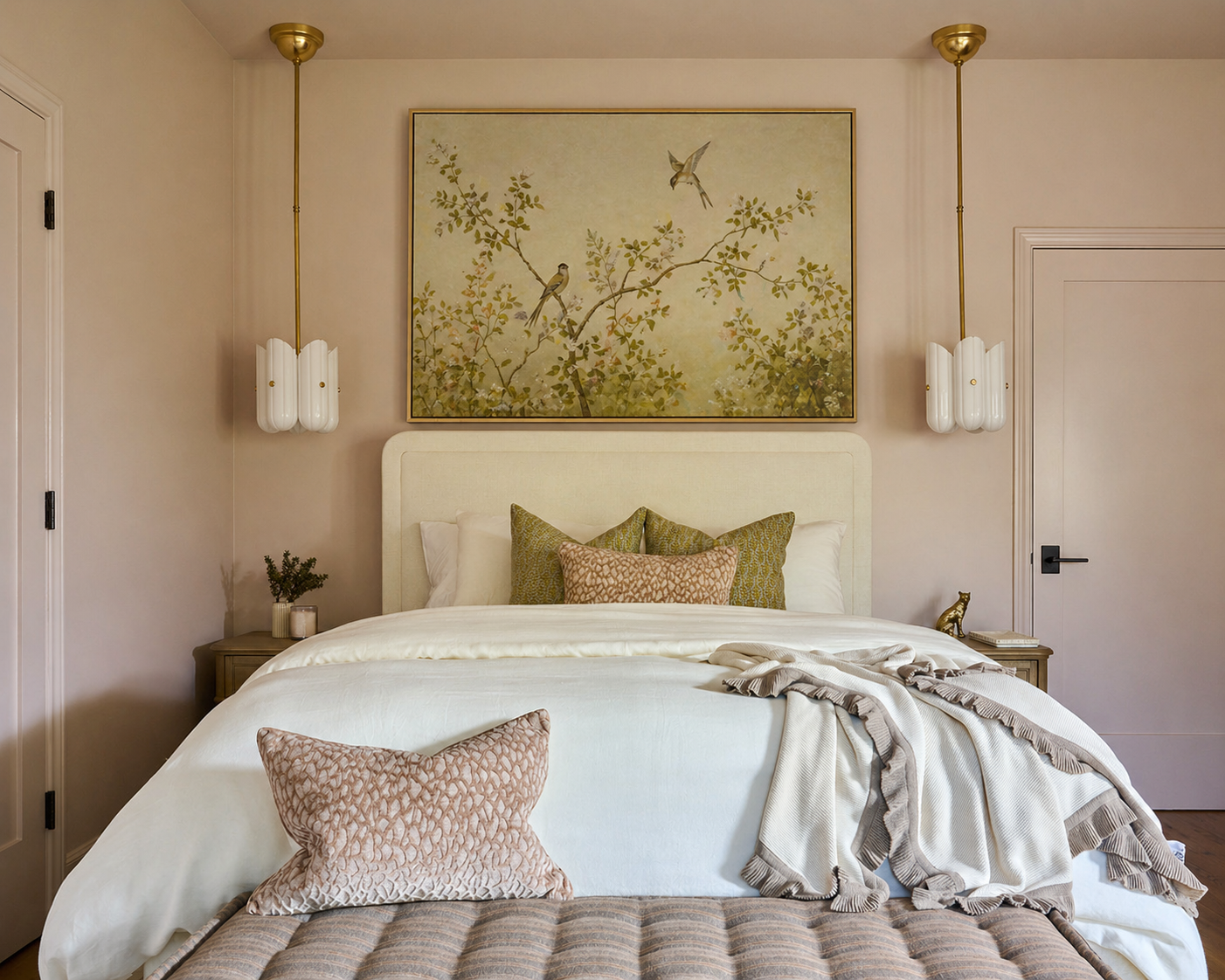
Choose Materials That Feel Timeless and Livable
Second homes often need to strike a careful balance.
They should feel special enough to mark a shift from everyday life, but comfortable enough for real use. That balance comes through material choices.
Warm wood tones, natural stone, layered textiles, handcrafted details, and thoughtfully selected furnishings can create a home that feels collected rather than overly formal. These materials bring depth, warmth, and character while helping the home feel grounded and welcoming.
Rather than relying on trends, a second home remodel benefits from materials and details that will continue to feel relevant over time.
The goal is not to create a home that feels staged. The goal is to create a home that feels personal, relaxed, and ready to be enjoyed.
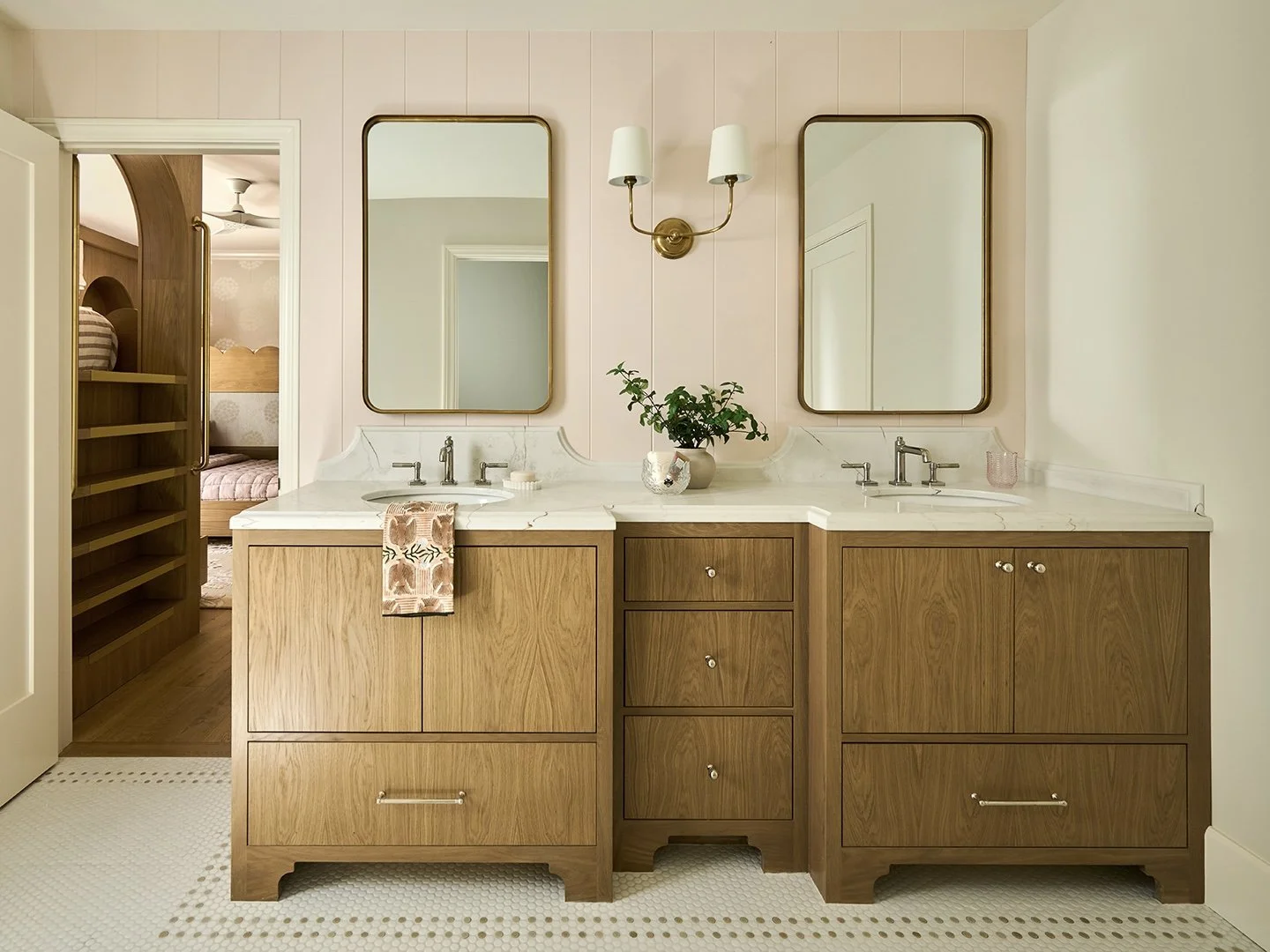
Think Through Storage, Flow, and Everyday Ease
Effortless living does not happen by accident.
In a second home, small planning decisions can make a significant difference in how the house functions when guests arrive. Storage, circulation, cabinetry, bathroom access, seating arrangements, and drop zones all affect the way the home feels day to day.
When these details are not considered, the home can quickly feel cluttered or inconvenient. When they are resolved early, the home feels calm and easy.
A beautiful vacation property should not require constant effort from the homeowners. It should support the experience they want to have there.
Why Full-Service Remodeling Matters for Second Homes
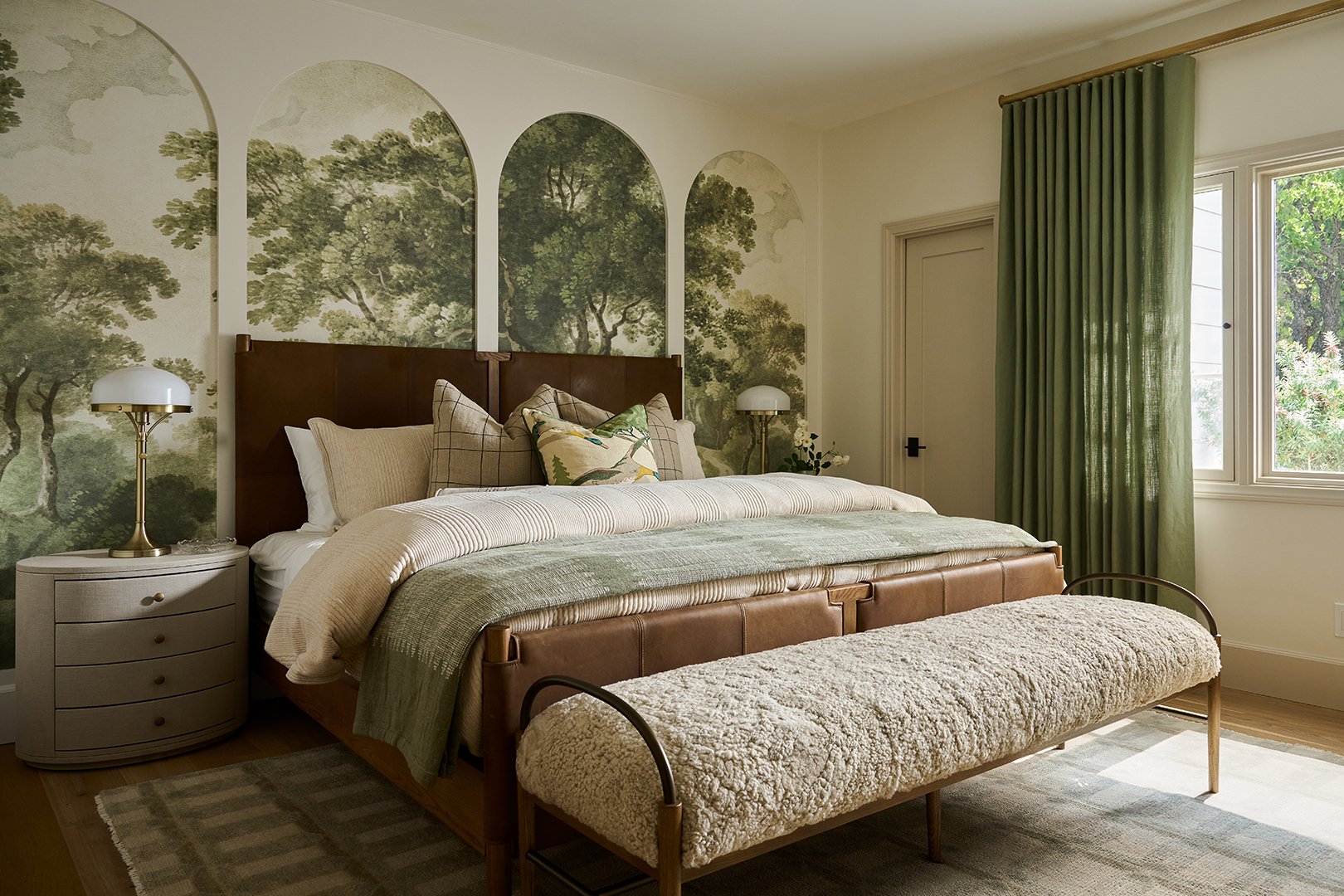
For homeowners who do not live in the home full-time, the remodel process can quickly become overwhelming.
There are decisions to make, vendors to coordinate, materials to procure, construction details to manage, and installations to oversee. Without a trusted team guiding the process, the homeowner can become the default project manager from a distance.
A full-service design-build approach helps simplify that experience.
When one team is responsible for design, planning, procurement, construction management, and installation oversight, the process becomes more cohesive. Decisions are made with the full project in mind, and the original vision is less likely to be lost along the way.
This is especially important for second homes, where homeowners may need a team they can trust to manage details when they are not physically present.
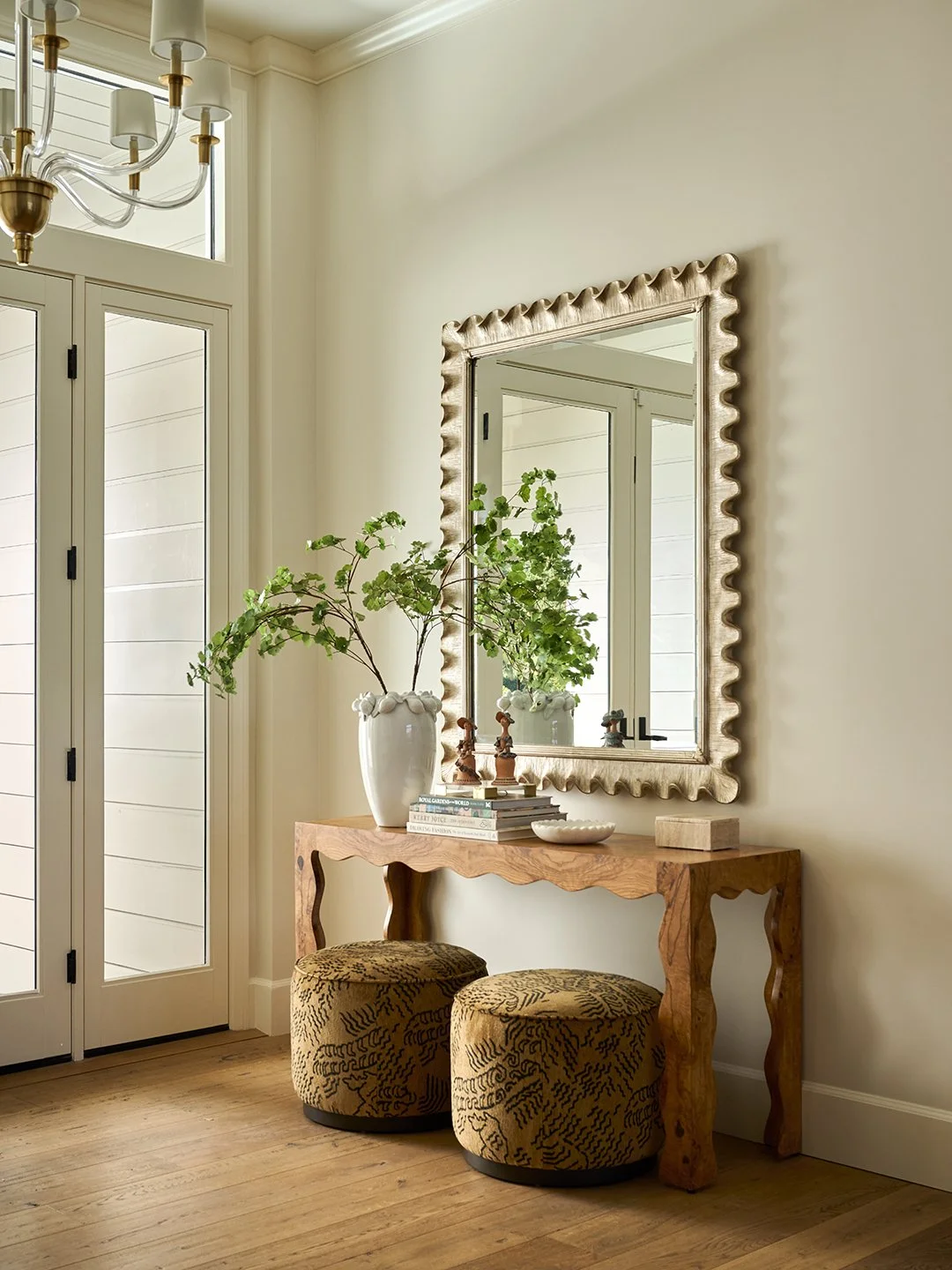
The Best Second Homes Feel Effortless Because They Are Carefully Planned
A well-designed second home is not just a place to visit.
It is a place where people gather, settle in, reconnect, and create memories over time.
The most successful second home remodels are designed around the way the home will actually be used — by homeowners, children, grandchildren, friends, and guests. Every decision, from the kitchen layout to the guest rooms to the bathrooms, should support that larger purpose.
When the planning is thoughtful, the result feels natural.
The home feels welcoming.
The spaces feel easy to use.
The design feels personal.
And family gathers without the home ever feeling forced.
If you are planning a second home remodel, vacation property renovation, or full-service design-build project, we invite you to learn more about our services and schedule a consultation to discuss your goals.